

With the arrival of cooler temperatures, autumn is the ideal time to get back out into the garden, whether you’re adding new plants to your landscape or maintaining your existing garden.
1. Weeding

By pulling out weeds before they flower and set seeds, there will be fewer that overwinter.
2. Collect and Dispose of Any Diseased or Insect-infested Leaves
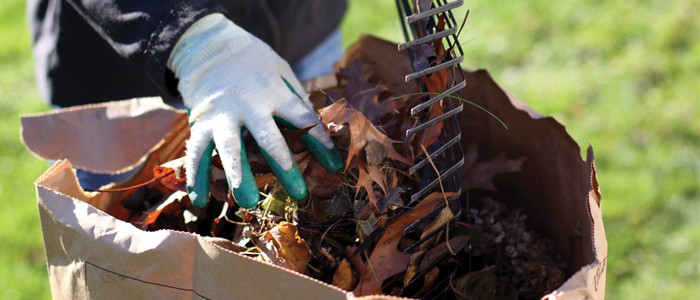
Don’t put diseased leaves in your compost; put them in the trash. This will reduce the potential of overwintering spores or insects infecting new growth in the spring, especially with plants like roses.
3. Cut Back Perennials
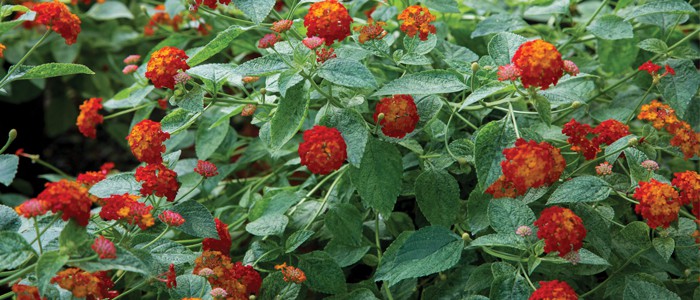
Trim back perennials that bloomed in the spring, leaving enough of the stem to mark where they are planted. This will spare you the frustration of accidentally digging up established plants when you decide to add more plants to your garden.
4. Pick One Section of Your Garden and Improve the Soil

You can improve the soil by adding compost (digging in one to two inches of compost).
5. Add 1- to 2″ of a Fine Bark Mulch

Add mulch around trees, shrubs, and perennials. Make sure to keep mulch from piling up around trunks or stems where moisture can build up, weaken stems and make it easier for pest and disease problems to occur.
6. Take an Inventory

Make notes of your successes and failures in the garden over the past year. Take a photo of what the garden looks like now. This will be a valuable reference tool.
7. Plant a Container Garden Combination for Winter

Select plants with early winter blooms, and you will have something to enjoy on days when the garden is quiet. ‘Soft Caress’ Mahonia surrounded by violas will look good for months and require a minimum amount of care.
8. Add at Least One New Shrub or Tree to Your Garden

Fall is an ideal time to plant ornamental shrubs. Make sure to follow winter care tips and keep any new plantings well watered throughout fall and winter while they put down roots.
9. Make a list of Garden Projects

You can compile a list of tasks you’d like to complete and a wishlist of plants that you want to add in the spring.
10. Visit a Public Garden

You’ll discover plants that thrive in autumn, and it will help you gather ideas for your own garden.